The Impact of Light on Emotions. Not Wishful Thinking, but a Real Force of Lighting
Light affects mood, comfort, concentration, and spatial perception more than many people realise. This is not a passing trend or a design cliché. Colour temperature, intensity, and light distribution have a real impact on people. See how to choose lighting that does more than illuminate. It shapes atmosphere and improves daily living.
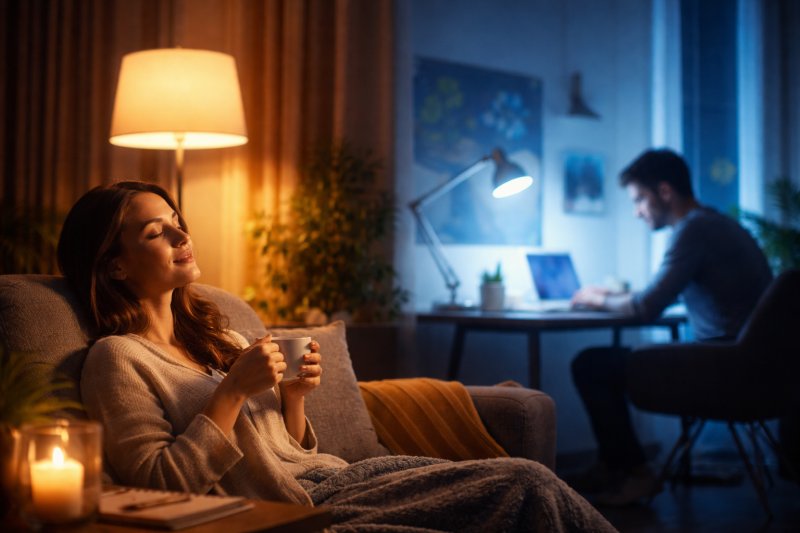
Light does far more than illuminate a room. It helps define it. It affects mood, comfort, alertness, colour perception, the sense of warmth, and even whether a space feels calm, elegant, cold, or energising. These are not decorative myths or vague design slogans. They are real effects of lighting on people, supported by both design practice and modern knowledge about how light interacts with the human body and mind.
In “The Theory of Emotional Design”, Sergey Sizy points out that emotional perception of space comes not only from objects themselves, but also from composition, colour, and light. This means that well-designed lighting can intentionally create a specific result: calmness, focus, intimacy, prestige, dynamism, or a sense of safety. That is exactly why modern lighting should never be selected only by price, wattage, or lumen output.
Light truly affects emotions
The way we feel in a space depends greatly on light. Even a beautifully designed interior can feel cold, tiring, or lifeless when the lighting is wrong. On the other hand, properly planned lighting can reveal the character of an interior, improve the perception of materials, build a relaxing atmosphere, and make the whole environment work better.
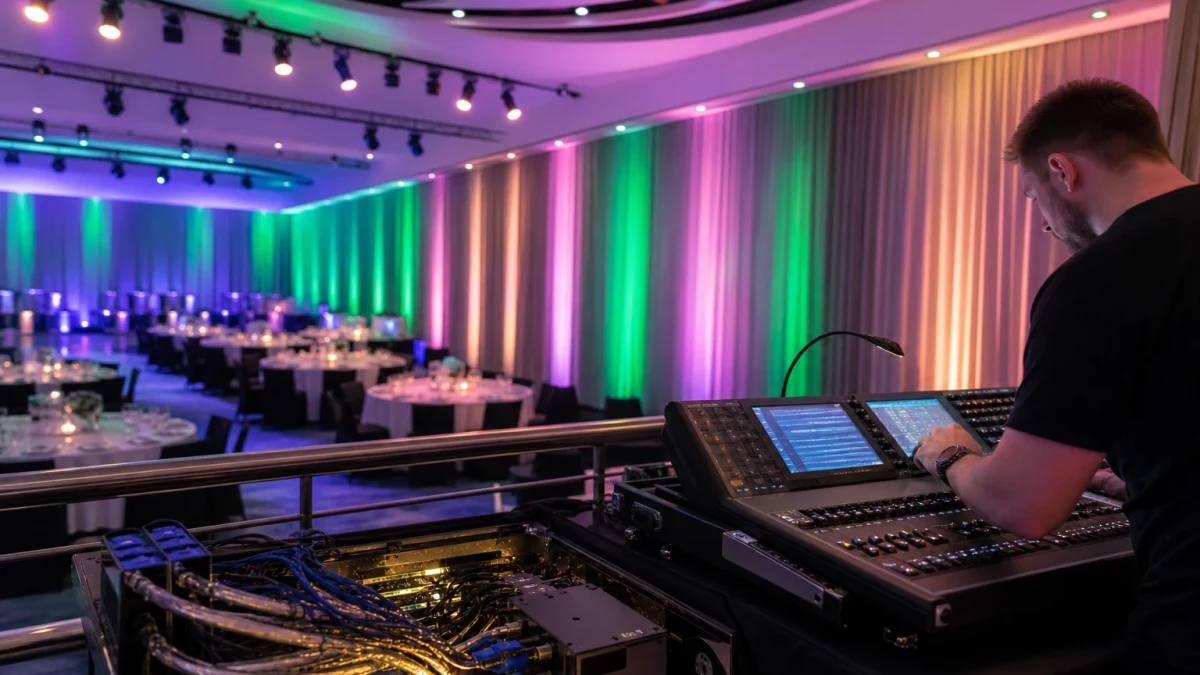
Light can calm, support rest, and create comfort. It can also stimulate activity, improve focus, and enhance work performance. It can highlight premium interiors, emphasise architectural details, strengthen product presentation, and improve everyday living in homes, offices, and retail spaces. That is why the effect of light on emotions has become one of the key topics in modern lighting design.
Why does light have such a strong effect?
Light acts beyond vision alone. It also matters for daily rhythm, activation level, wellbeing, and overall comfort. That is why it is no longer enough to say that a room should simply be bright. What also matters is:
- colour temperature,
- light intensity,
- direction of light,
- contrast and shadow,
- colour rendering,
- layered lighting composition,
- matching light to the time of day and room function.
These are the factors that shape atmosphere. Warm, soft light usually supports relaxation and comfort. Cooler and more dynamic light is more often associated with activity, freshness, and focus. Poor lighting can create fatigue, irritation, visual chaos, or a sense of artificiality. Good lighting does the opposite: it raises the quality of the interior and improves the user experience.
Emotional design in lighting is practical, not abstract
In professional lighting design, emotion is not separate from technology. It is the result of choosing the right technical tools. That is why a lighting designer, architect, investor, or homeowner should not ask only which fitting has the highest wattage or the lowest price. A much better question is: what result should this space create for the person using it?
Should the living room help people unwind after a long day? Should the kitchen feel clean and functional? Should the home office support focus? Should a product display area build prestige and increase perceived value? The answers lead directly to better lighting choices. That is what modern, intentional lighting design looks like.
Home, office, retail – every space needs a different emotional result
Light at home
At home, comfort, safety, and atmosphere matter most. Well-chosen interior lighting helps create calmness in the evening, supports a cosy environment, and makes a home feel like a real place of rest. Light that is too harsh, too cold, or too flat can destroy that effect very quickly.
Light at work
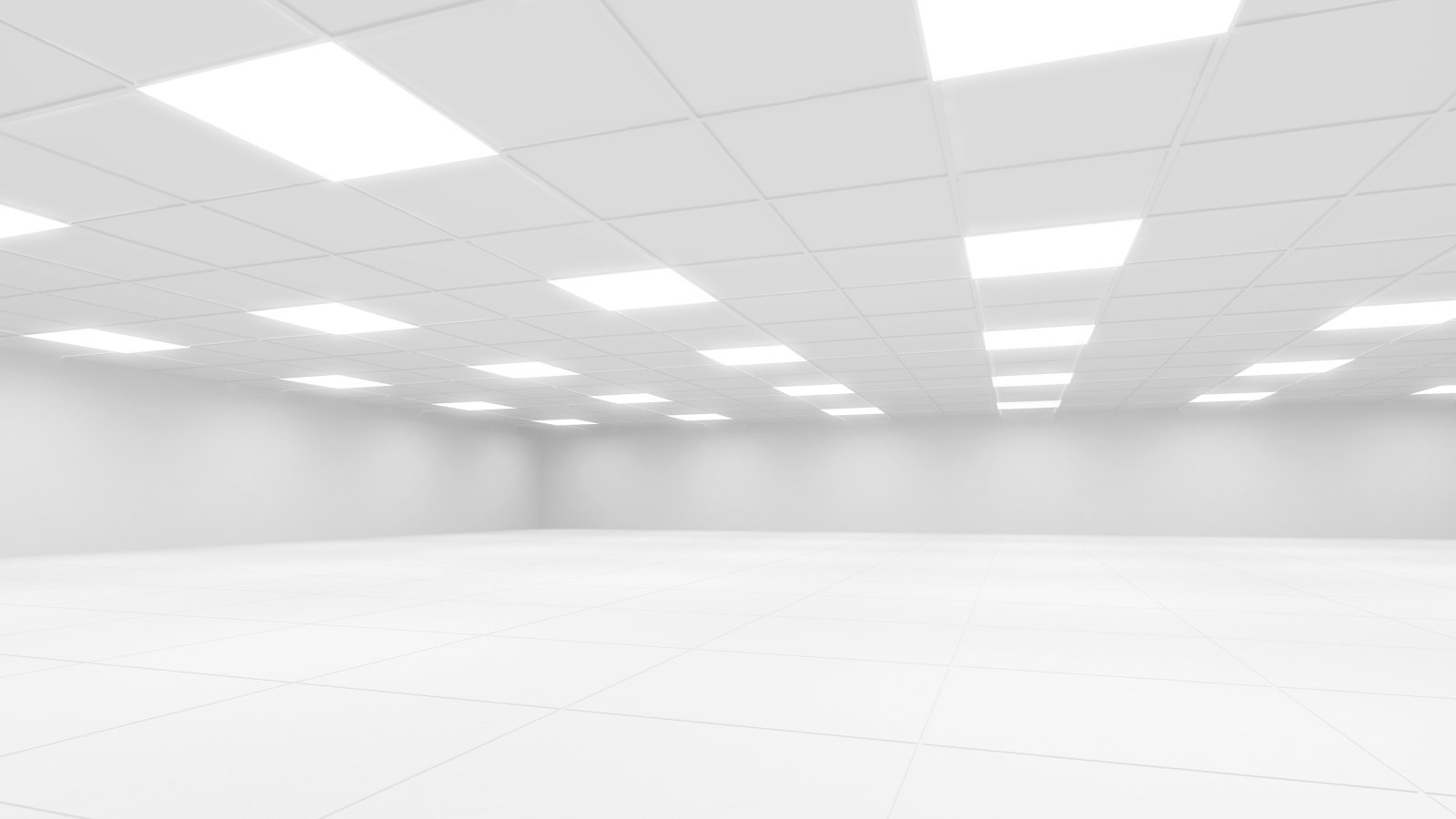
In offices and workspaces, lighting should support productivity without becoming aggressive or glaring. Proper light intensity, good contrast control, and the right colour temperature improve working comfort, reduce fatigue, and create a more professional environment.
Light in retail and display areas
In retail, light sells. It affects the perception of colours, materials, product quality, and the entire brand experience. Good lighting can add a premium feel, direct attention exactly where needed, and make products more attractive. Poor lighting does the opposite: it flattens the display and weakens visual impact.
Which lighting mistakes most often ruin the effect?
Even a good interior can be damaged by poor lighting. The most common mistakes include:
- overly cool light in relaxation areas,
- lack of layered lighting,
- excessive glare,
- flat single-point lighting for the whole room,
- poor colour rendering,
- no relationship between lighting and room function,
- choosing luminaires only by price instead of final effect.
If light is expected to work in favour of both the interior and the user, it must be chosen consciously. Not only by technical specification, but also by its real human impact.
Why is good lighting worth the investment?
Good light creates real value. It improves comfort, strengthens the character of an interior, increases functionality, and helps produce the right emotional effect. This matters at home, in offices, in commercial premises, in hotels, and in every professional or premium environment.
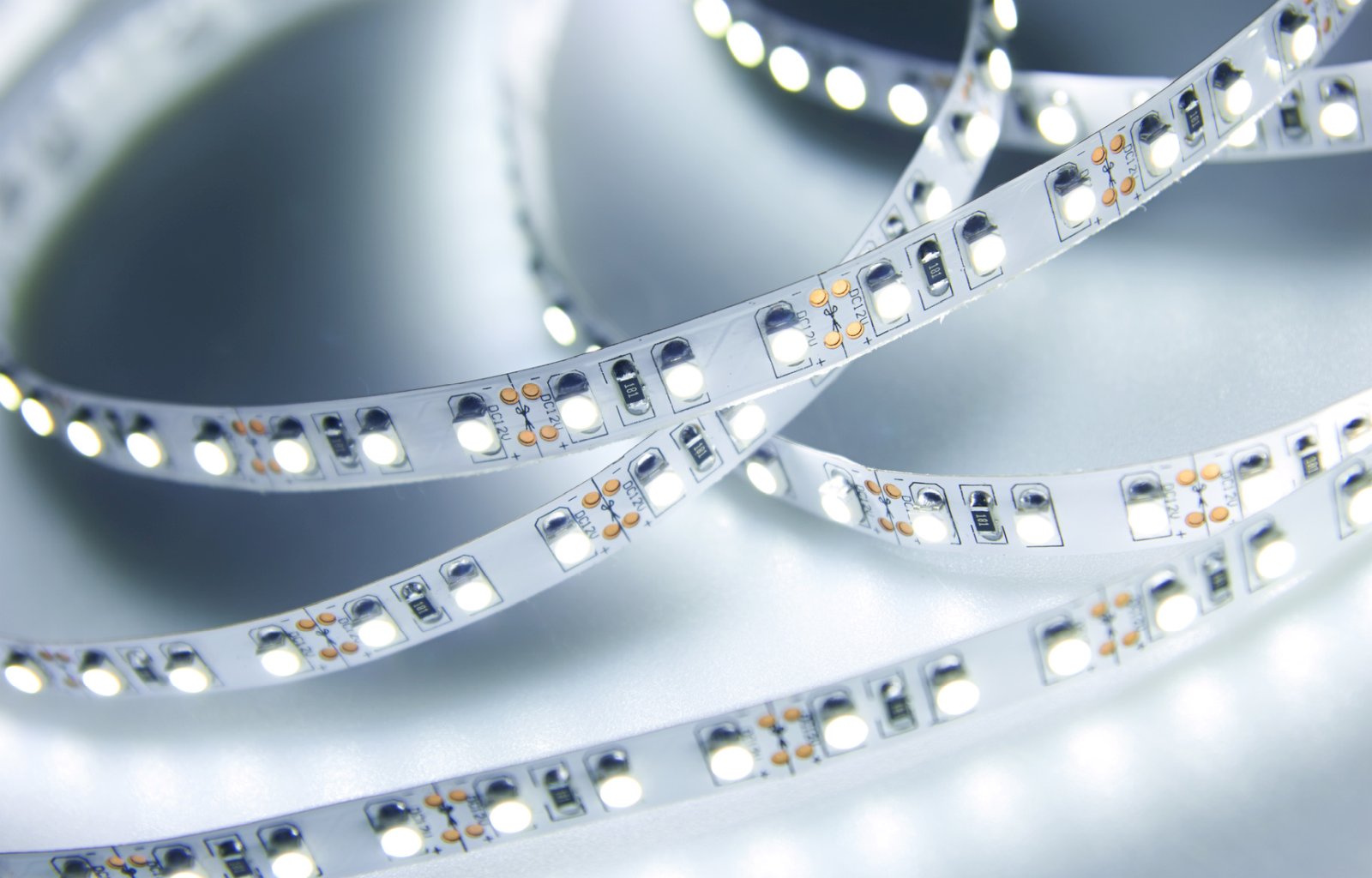
Modern LED lighting now offers huge possibilities, from functional illumination to decorative solutions and atmosphere-building light that supports everyday use. The key, however, lies not only in the technology itself, but in matching the right product to the right space.
LEDownia – choose lighting that creates the right impression
At LEDownia, we know that light matters far beyond technical catalogue values. That is why we help customers choose LED lighting that not only performs well, but also builds the right atmosphere, improves comfort, and highlights the quality of an interior.
Whether you are furnishing a home, modernising an office, designing a retail display, or looking for premium lighting solutions for interiors and architecture, it is worth choosing lighting that fits the function, aesthetics, and expected emotional effect.
Not sure which lighting to choose?
Contact LEDownia. We will help you select a solution that works not only technically, but also visually and emotionally.
Explore LEDownia and choose lighting that truly transforms space.
Sources
- Sergey Sizy, The Theory of Emotional Design.
- CIE materials on light, health, circadian rhythm, and wellbeing.
- Scientific publications on the effects of light on mood, sleep, wellbeing, and emotional responses.
Contact us — we will help you choose the right solution
Choose your preferred contact method