
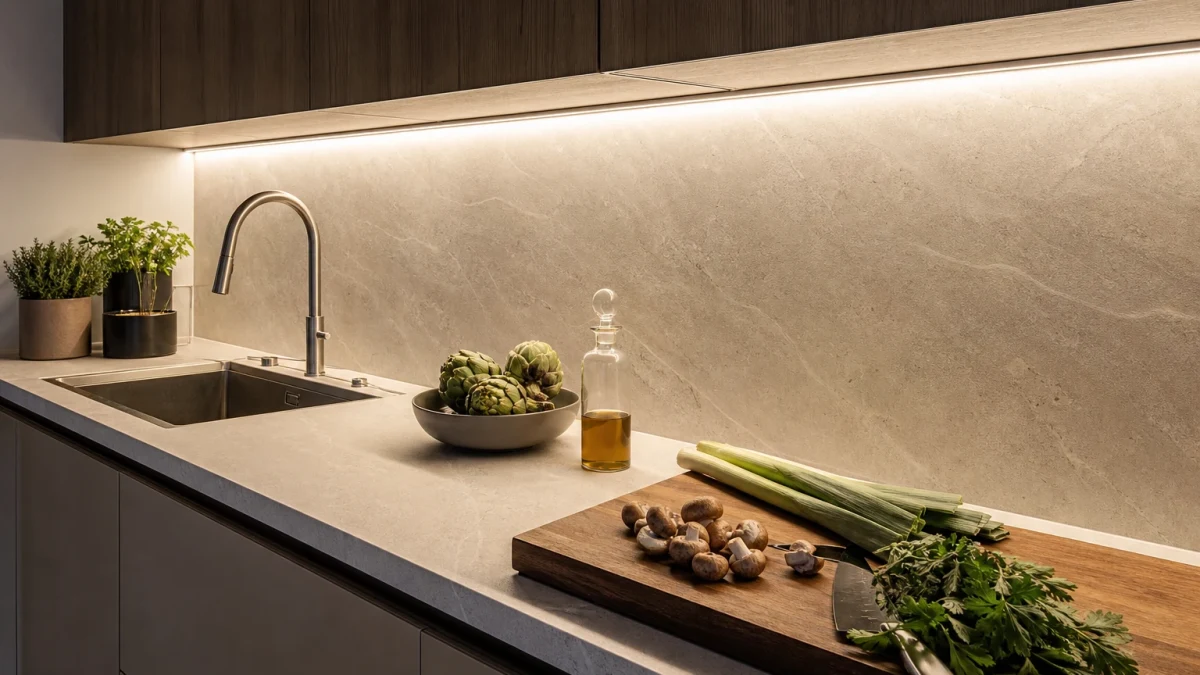
5050 LEDs – types, power ratings, manufacturers and applications
5050 LEDs are one of the most recognizable SMD LED formats on the market. Learn what the 5050 marking actually means, what types and power levels are available, which manufacturers make professional 5050 LEDs, and where they are used — from LED strips to high-power lighting and addressable pixel systems.
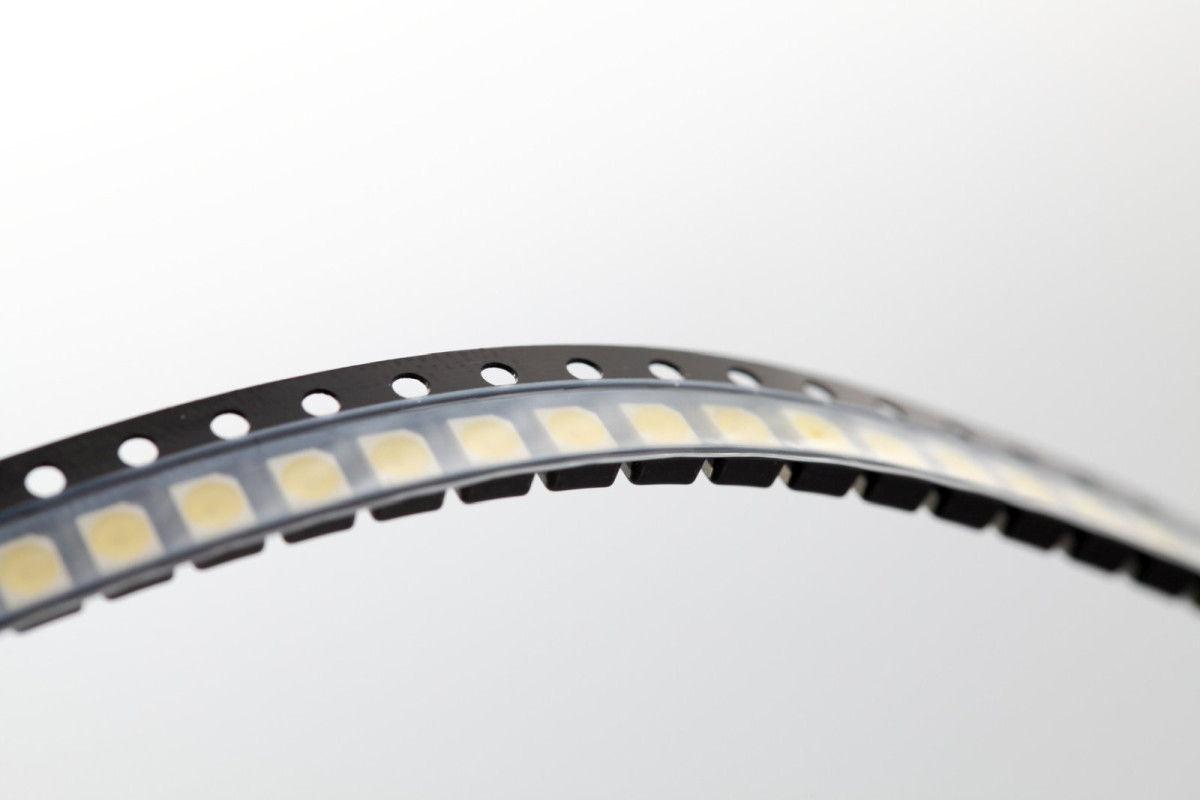
5050 LEDs are one of the most recognizable SMD LED formats on the market. In practice, the 5050 marking mainly refers to package size, but it does not define a single fixed power level, brightness, or application. In this article, we explain the main types of 5050 LEDs, typical power ranges, reputable manufacturers, and the most common real-world applications.
What does a 5050 LED mean?
The 5050 marking refers to an SMD LED package measuring approximately 5.0 × 5.0 mm. This is an important distinction, because the name itself does not describe one universal LED design. In practice, the 5050 format includes both popular strip-light LEDs and much more advanced emitters used in professional luminaires.
Do all 5050 LEDs have the same power?
No. This is one of the most common misconceptions. In classic LED strip products, 5050 is often associated with designs based on three chips and around 0.2 W per package. In professional 5050 families, however, you can find solutions rated around 1 W, 5 W, and even 10 W or more.
That is why the 5050 label alone is never enough to evaluate a product. You should always look at full technical data such as luminous flux, voltage, current, efficacy, CRI, CCT, and overall LED construction quality.
What types of 5050 LEDs are available?
1. White 5050 LEDs
This is one of the most common categories. White 5050 LEDs are found both in simpler LED strips and in professional high-power lighting families. Depending on the design, they can be used in decorative, functional, industrial, and outdoor lighting.
2. RGB 5050 LEDs
RGB 5050 versions are widely used in color-changing LED strips, decorative installations, and effect lighting. By integrating multiple color dies in a single 5050 package, they can produce a broad color palette and smooth dynamic lighting effects.
3. RGBW 5050 LEDs
A more advanced option is RGBW 5050, which combines RGB channels with an additional white channel. This provides greater design flexibility, allowing one LED package to deliver both decorative color effects and more practical white light.
4. Addressable 5050 LEDs
Another important category is addressable 5050 LEDs, where the control circuit is integrated into the same package as the LED. These are especially popular in dynamic lighting effects, pixel installations, decorative electronics, DIY projects, and programmable displays.
What power levels do 5050 LEDs have?
The power range is broad and depends entirely on the specific design. In practice, the market includes:
- common strip-light 5050 LEDs at around 0.2 W,
- professional white 5050 LEDs around 1 W,
- high-power 5050 LEDs around 5 W,
- advanced 5 × 5 mm LED families reaching about 10 W or even above 20 W in multi-channel versions.
This clearly shows that the 5050 size alone does not define LED class or performance. Two LEDs in the same package format can be built for completely different applications.
Which manufacturers offer 5050 LEDs?
In the professional segment, several manufacturers and product families are worth noting:
- Lumileds LUXEON 5050 – a high-power white LED family available in Round, Square, HE, and HE Plus versions, positioned for industrial and outdoor luminaires.
- ams OSRAM OSCONIQ S 5050 – high-efficacy white 5050 LEDs positioned for professional outdoor lighting.
- ams OSRAM DURIS E 5050 RGBW – a 4-in-1 RGBW solution for general lighting and color-controllable applications.
- Seoul Semiconductor 5050 G-Series – a stronger 5050 family designed for higher-output white lighting.
- Cree LED XM-L / XM – professional 5 × 5 mm LEDs available in both white and RGBW versions.
- Worldsemi WS2812 / WS2812B – popular addressable 5050 LEDs with integrated control electronics.
Where are 5050 LEDs used?
The application depends on the exact LED type. In practice, 5050 LEDs are used in:
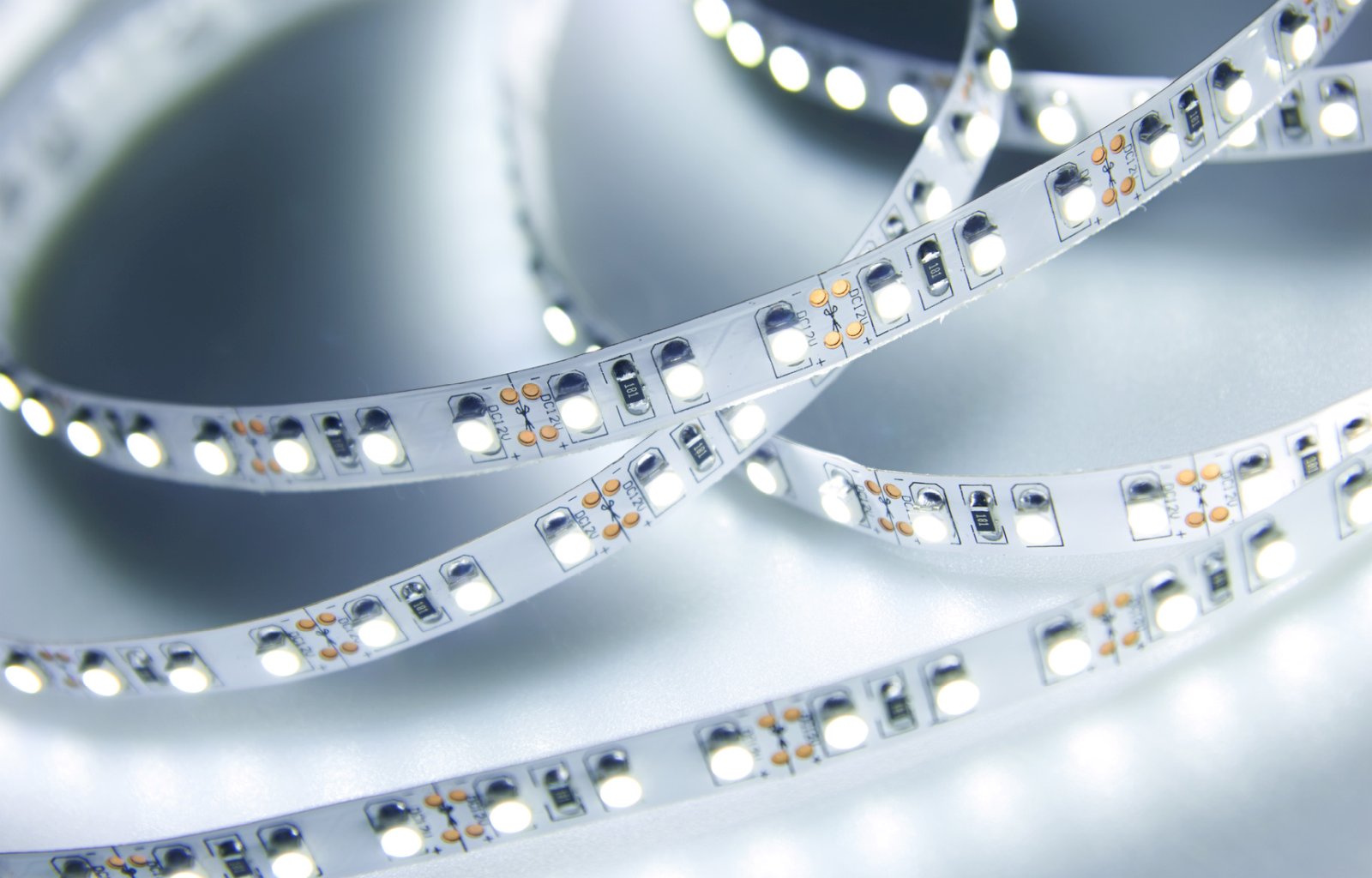
- single-color and RGB LED strips,
- furniture and decorative lighting,
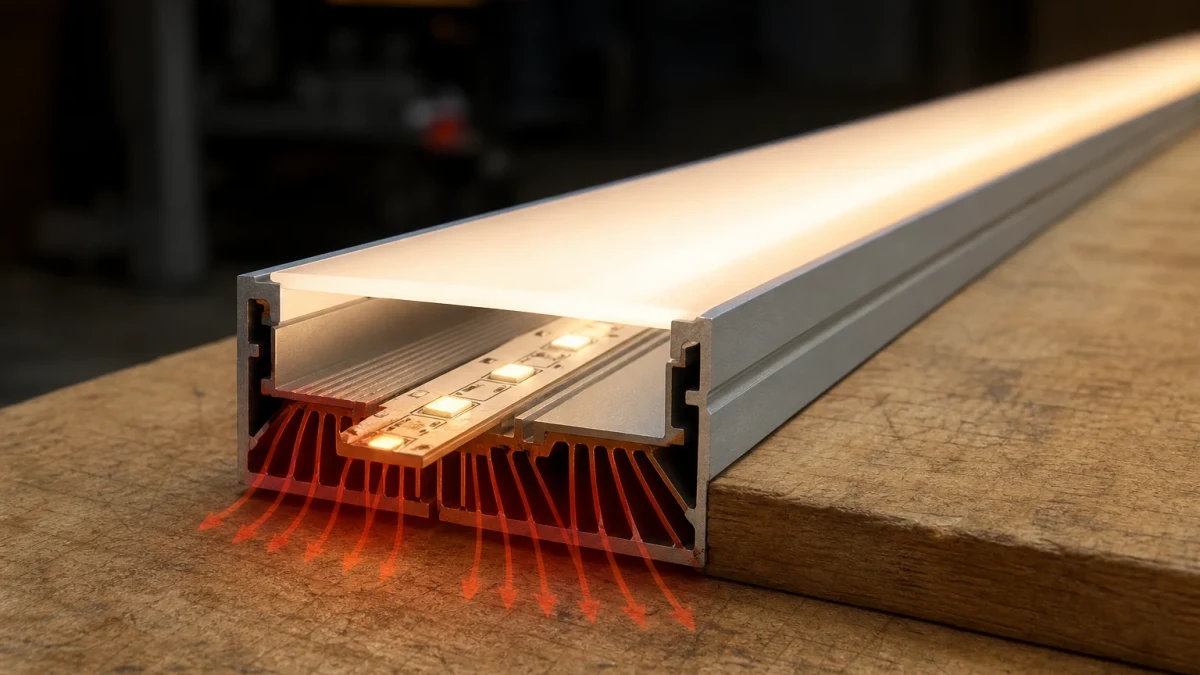
- ceiling recesses, coves, and aluminum profiles,
- retail, hospitality, and display lighting,
- industrial and outdoor luminaires,
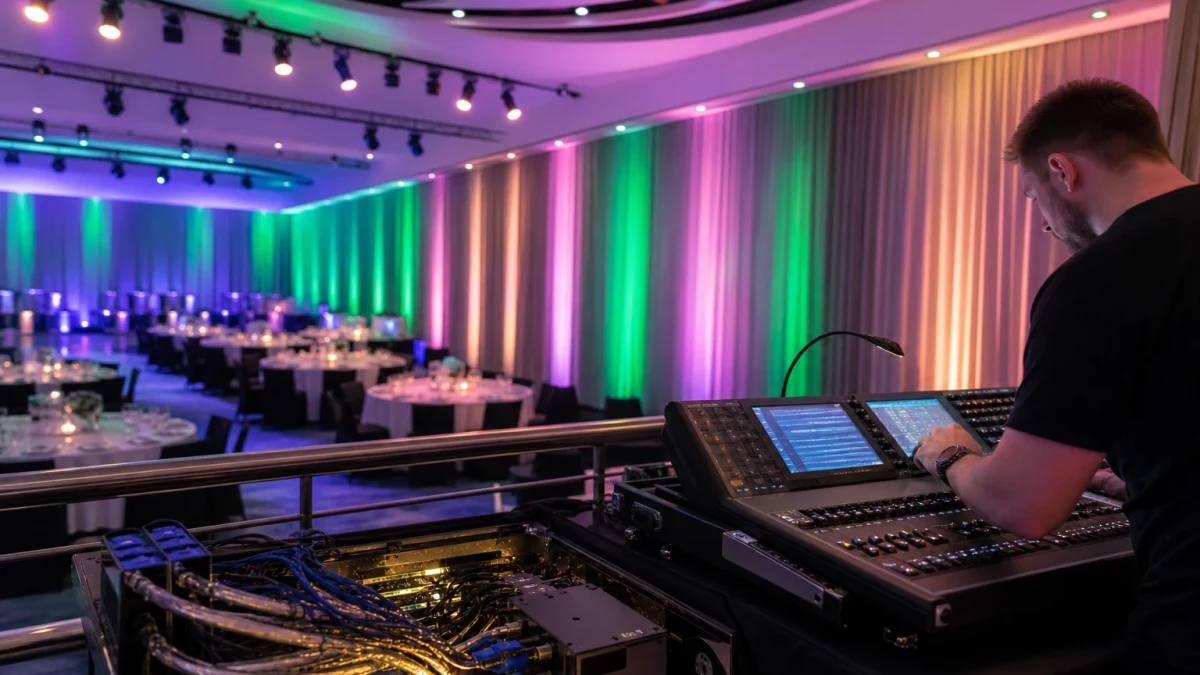
- architectural and entertainment lighting,
- pixel-based and programmable lighting effects.
What should you check when choosing a 5050 LED product?
When selecting a product based on 5050 LEDs, do not rely on package size alone. The most important factors are:
- power and drive current,
- luminous flux,
- efficacy in lm/W,
- CRI and color temperature,
- LED type: white, RGB, RGBW, or addressable,
- manufacturer quality and intended operating environment.
Only by looking at the full specification can you tell whether a given 5050 LED solution is suitable for your project.
Summary
5050 LEDs are not one single product, but a broad category of LEDs built in a 5.0 × 5.0 mm package. The market includes everything from common LED strip packages to professional high-power emitters, RGBW devices, and addressable smart LEDs. That is why choosing a 5050 LED product should always be based on the full specification, not just the package code.
Looking for the right LED strip or a 5050-based solution for a specific project? Contact LEDownia — we will help you choose the right LED type for decorative, functional, or professional lighting.
FAQ – frequently asked questions about 5050 LEDs
What does a 5050 LED mean?
The 5050 marking refers to the size of the SMD LED package and means approximately 5.0 × 5.0 mm. The name itself does not define one exact power rating or one specific application.
Do all 5050 LEDs have the same power?
No. This is one of the most common misunderstandings. In popular LED strips, 5050 packages are often associated with about 0.2 W, but professional 5050 LED families can operate at much higher power levels.
What are the most common types of 5050 LEDs?
The most common types are white 5050 LEDs, RGB versions, RGBW versions, and addressable LEDs with an integrated control circuit. Each of these types serves different applications and design goals.
Where are 5050 LEDs used?
5050 LEDs are used in LED strips, decorative lighting, furniture lighting, aluminum profiles, RGB and RGBW systems, as well as in more advanced functional, architectural, and programmable lighting solutions.
Are 5050 LEDs used only in LED strips?
No. Although the 5050 format is very popular in LED strips, it is also used in professional LED families for industrial, outdoor, and specialist luminaires.
What is the difference between 5050 RGB and 5050 RGBW?
5050 RGB creates colored light by mixing red, green, and blue. 5050 RGBW adds a separate white channel, giving more flexibility and better performance in both decorative and practical lighting applications.
What are addressable 5050 LEDs?
These are LEDs where the light source and the control circuit are integrated into the same package. This makes it possible to control each LED or pixel individually and create dynamic lighting effects.
What should you check when choosing a 5050 LED product?
You should look beyond the 5050 label itself and check power, luminous flux, efficacy, CRI, color temperature, LED type, manufacturer quality, and intended operating conditions.
Contact us — we will help you choose the right solution
Choose your preferred contact method